
- English
- Español
- SaudiArabia
- Türkçe
- Portugal
- français
- 日本語
- Русский
- Deutsch
JF015E CVT Transmission Problems & Repair Parts Guide
Author:Guangzhou Transton Automobile Technology Co., Ltd
Click:
Time:2026-06-01 11:02:43
JF015E (Nissan CVT7) Common Problems: What Transmission Rebuilders and Repair Shops Need to Know
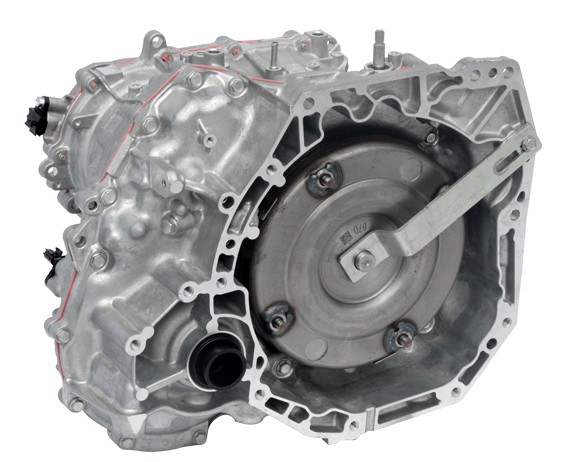
The Jatco JF015E, often referred to as Nissan CVT7, is one of the most widely used continuously variable transmissions found in compact Nissan vehicles around the world.
You can find this transmission in models such as:
- Nissan Sentra
- Nissan Versa
- Nissan Note
- Nissan Juke
- Mitsubishi Mirage
- Suzuki Swift (certain markets)
Over the years, the JF015E has become a familiar unit for transmission repair shops and rebuilders. While its compact design and fuel efficiency make it attractive to vehicle manufacturers, several recurring failures have made it one of the most frequently repaired CVTs in the aftermarket.
If you are diagnosing a JF015E transmission or sourcing replacement parts, understanding these common failures can save both time and money.
Why Does the JF015E Fail So Frequently?
Unlike traditional automatic transmissions, the JF015E relies heavily on hydraulic pressure, precision-machined pulleys, electronic controls, and a steel belt system.
Once wear begins in one area, it often creates a chain reaction throughout the entire transmission.
In many cases, what starts as a small valve body issue eventually develops into pulley damage, belt wear, bearing failure, or even complete transmission loss.
1. Forward Drive Lost but Reverse Still Works
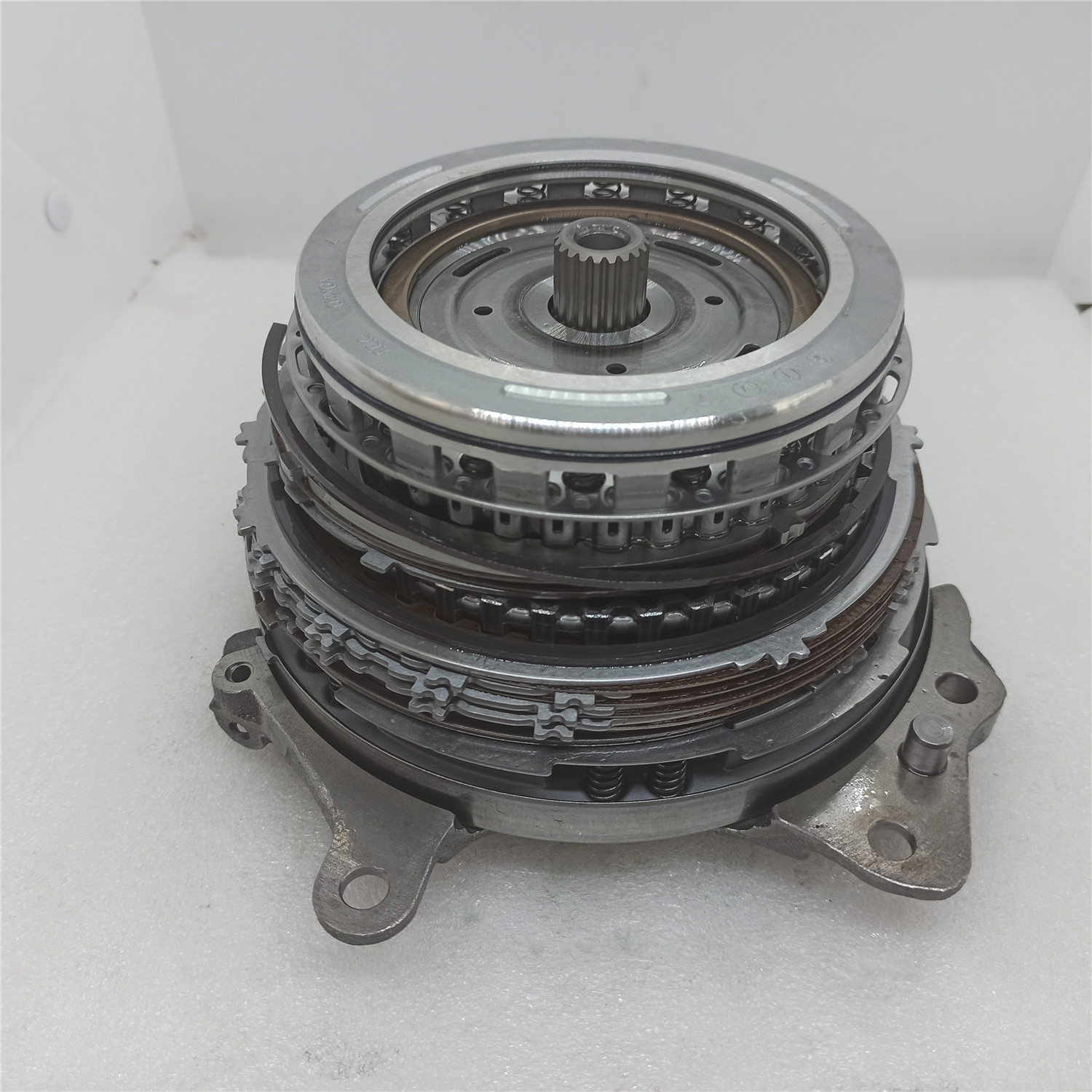
One of the most recognizable JF015E failures involves the reduction gear assembly.
Transmission rebuilders often discover that the sun gear or planetary gear components have separated or fractured internally.
Common Symptoms
- Vehicle will not move in Drive
- Reverse gear still operates normally
- No obvious external damage
- Sudden failure without warning
This failure is often mistaken for a valve body problem until the transmission is disassembled.
Recommended Replacement Parts
- Planetary Gear Assembly
- Sun Gear
- Reduction Gear Components
- Complete Overhaul Kit
2. Whining Noise from the Transmission
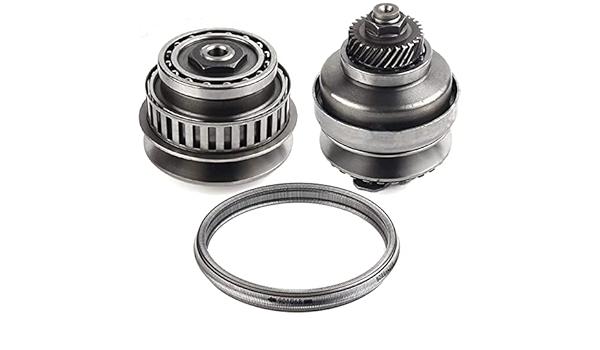
A high-pitched whining sound is one of the earliest warning signs of bearing wear inside the JF015E.
The primary pulley bearing is particularly vulnerable to contamination and heat.
As bearing clearance increases, the pulley alignment changes, creating additional stress on the belt and seals.
Common Symptoms
- Whining noise during acceleration
- Metallic grinding sound
- Noise increases with vehicle speed
- Transmission fluid leakage in severe cases
Ignoring this problem often results in pulley damage and expensive rebuild costs.
Recommended Replacement Parts
- Primary Pulley Bearing
- Input Shaft Bearing
- Oil Seal Kit
- Pulley Assembly
3. Valve Body Wear and Hydraulic Pressure Loss
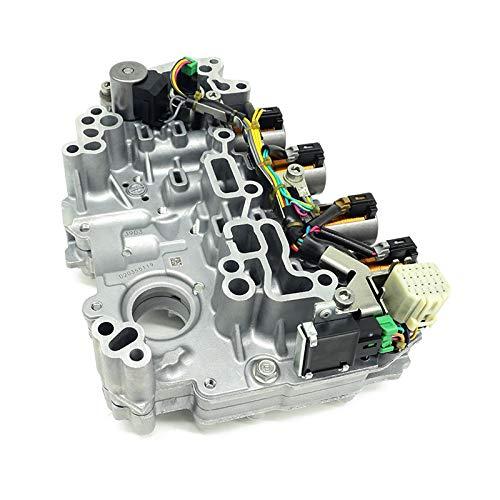
Among all JF015E failures, valve body wear is probably the most common issue seen by transmission specialists.
Microscopic metal particles circulate through the transmission fluid and gradually wear the valve bores.
Once hydraulic pressure becomes unstable, shift quality deteriorates rapidly.
Common Symptoms
- Delayed engagement
- Slipping during acceleration
- Harsh operation
- Pressure control fault codes
- Ratio error codes
Many rebuilders replace the valve body before more serious internal damage occurs.
Recommended Replacement Parts
- Valve Body Assembly
- Solenoid Kit
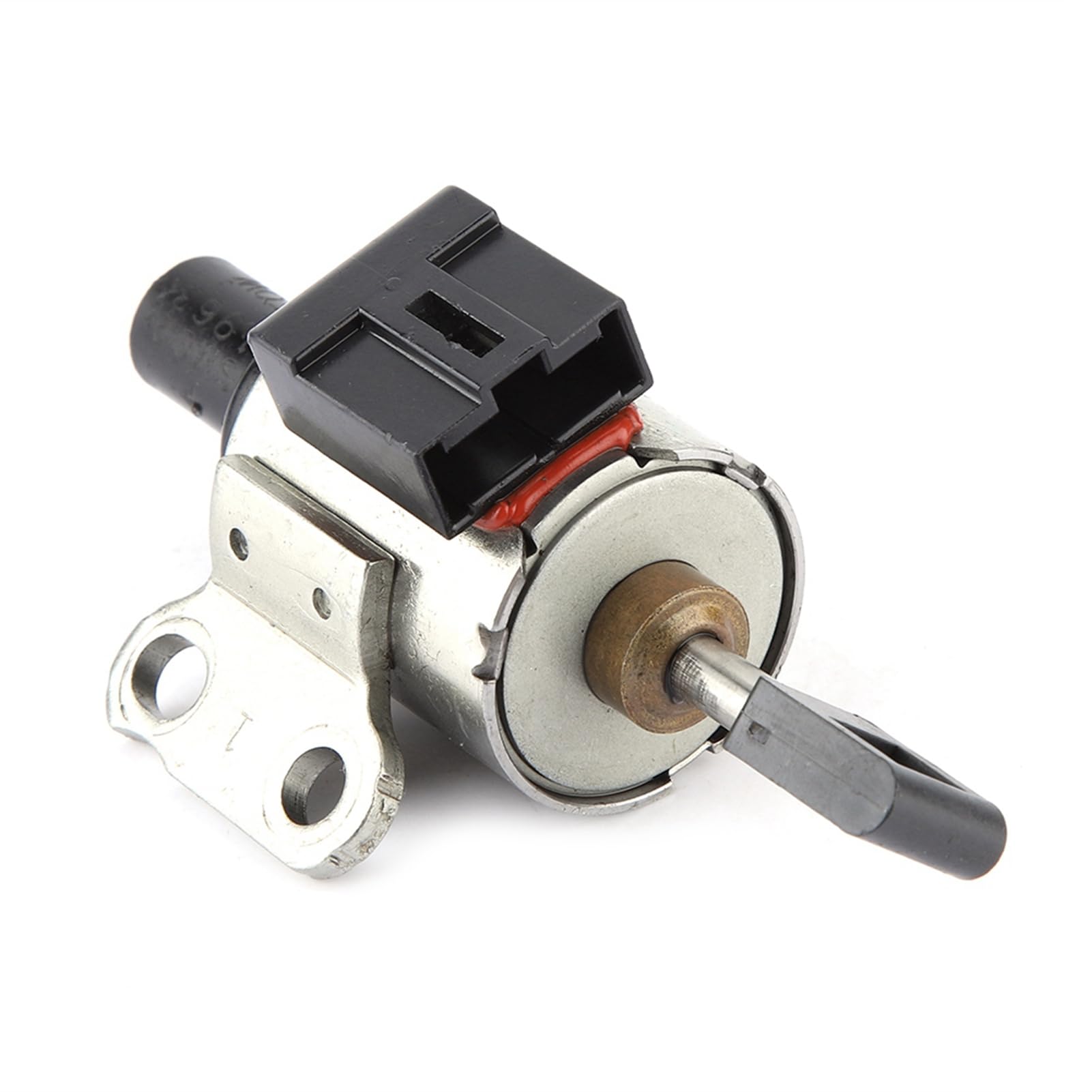
- Stepper Motor
- Filter Kit
4. Steel Belt and Pulley Damage
The steel belt is the heart of every CVT transmission.
When hydraulic pressure drops, the belt begins to slip on the pulley surfaces.
This creates heat, metal debris, and permanent scoring on the variator pulleys.
Common Symptoms
- Shudder during take-off
- Vehicle vibration
- Poor acceleration
- RPM fluctuation
- Burnt transmission fluid
Once pulley surfaces become damaged, replacing only the belt is usually not enough.
Recommended Replacement Parts
- Steel Belt
- Primary Pulley
- Secondary Pulley
- Rebuild Kit
5. Stepper Motor and Sensor Failures
The JF015E depends heavily on electronic control systems.
When the stepper motor or ratio sensors fail, the TCM can no longer accurately control pulley position.
Common Symptoms
- Limp mode activation
- Check Engine Light
- Loss of power
- Delayed response
- Gear ratio error codes
Many of these failures can be diagnosed using professional transmission scanners before removing the transmission.
Recommended Replacement Parts
- Stepper Motor
- Speed Sensor
- Ratio Sensor
- Solenoid Assembly
How to Extend the Life of a JF015E Transmission
From our experience supplying transmission parts to rebuilders in Brazil, Russia, Turkey, Mexico and Eastern Europe, proper maintenance significantly reduces major failures.
Change CVT Fluid Regularly
Recommended interval:
Every 50,000–60,000 km (30,000–40,000 miles)
Replace Filters During Service
A clogged filter reduces oil flow and accelerates valve body wear.
Use Correct NS-3 Specification Fluid
Incorrect fluid viscosity can affect pulley clamping pressure and lead to belt slip.
Control Operating Temperature
Adding an auxiliary transmission cooler is highly recommended for:
- Hot climate regions
- Heavy traffic conditions
- Taxi fleets
- Delivery vehicles
Recommended JF015E Transmission Parts
TRANSTON / TRANSWIN supplies a complete range of JF015E transmission repair parts, including:
Hard Parts
- Primary Pulley
- Secondary Pulley
- Planetary Gear Assembly
- Sun Gear
- Input Shaft
- Bearing Kits
Hydraulic Components
- Valve Body
- Solenoid Kits
- Stepper Motors
- Oil Pump Components
Rebuild Components
- Steel Belt
- Master Rebuild Kit
- Friction Kit
- Gasket Kit
- Filter Kit
- Oil Seal Kit
Electronic Components
- Sensors
- Wiring Harnesses
- TCM Related Components
Looking for a Reliable JF015E Transmission Parts Supplier?
Whether you are a transmission rebuilder, wholesale distributor, or repair shop, choosing quality replacement parts is critical to achieving a successful rebuild.
TRANSTON / TRANSWIN has been supplying automatic transmission parts and rebuild solutions to customers in more than 80 countries, helping transmission professionals reduce comebacks and improve repair reliability.
Contact our team for the latest JF015E parts catalog, technical support, and wholesale pricing.
